
The role of cinematic videography in digital storytelling
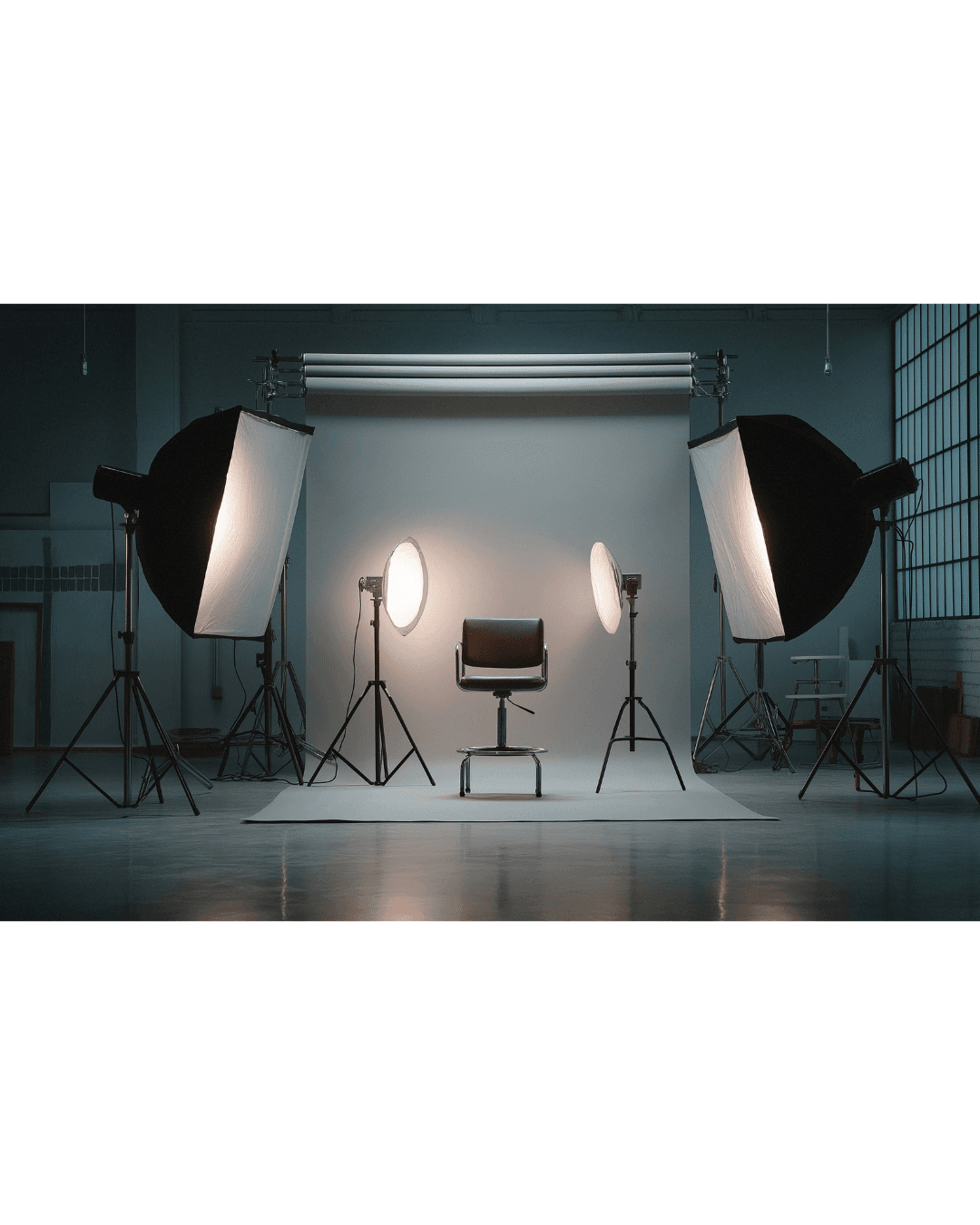
The battle for digital attention is won or lost in the first three seconds. With thousands of hours of video uploaded daily, generic templates and poorly lit sequences no longer suffice. For modern brands, cinematic videography is not a luxury — it is a foundational pillar of high-converting visual storytelling.
1. Lighting and Composition as Brand Identifiers
Cinematic framing is about directing the viewer's eye to what matters. The use of depth-of-field, intentional color styling, and controlled lighting doesn't just look professional — it communicates quality and premium positioning. A product filmed with deliberate shadows and soft key lighting carries a perceived value far higher than one shot under harsh office lighting.
“Cinema is not about reproducing reality; it is about creating an emotional resonance. Your videos must evoke a feeling, not just display a feature.”
2. Choreographing the Hook
A standard cinematic sequence starts slow, but digital storytelling demands immediate movement. We choreograph camera movement — pans, tilts, and speed-ramps — to capture interest instantly. The pacing of the edits, paired with custom sound effects (such as rises, wooshes, and ambient textures), creates a sensory experience that keeps users engaged until the call to action.
3. Authentic Storytelling Over Direct Selling
Audiences have developed banner blindness to traditional advertisements. Cinematic storytelling succeeds by focusing on narrative over hard selling. By documenting behind-the-scenes processes, creative philosophies, and real client challenges, we construct a narrative arc that invites viewers into your brand's world.